Low temperatures cause blood vessels to constrict, preventing the extremities from warming up.
In cold weather, blood circulation to the extremities of the body decreases, leading to the development of conditions such as chilblains.
Low temperatures, typical of winter and high-altitude areas, cause blood vessels to constrict, preventing the skin from warming up and remaining intact. The hands and feet are the areas most affected, but the ankles, knees, elbows, nose, and ears can also be affected.
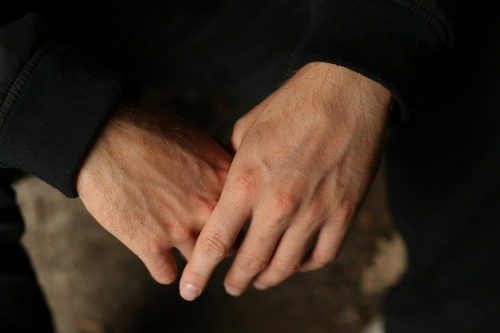
Chilblains affect a person’s quality of life, causing the skin to feel cold, red, pale white, or bluish, as well as numb and hard. Blisters, swelling (if you try to warm your hands), and itching—which can be intense—may occur, along with pain. Cracks and sores may also develop that are slow to heal.
The most severe cases, if not treated promptly, can cause damage to the skin, muscles, and bones
Although it is a manageable condition, the most severe cases—if not treated promptly—can cause damage to the deeper layers of the skin and even affect the muscles and bones. These changes may be irreversible due to a lack of blood supply to the tissues, a condition known as ischemia.
Some factors that increase the risk of developing the disease:
- Living in a place with a cold, dry, or windy climate;
- Wash your hands frequently with cold water;
- Having a job that requires you to keep your hands in water for long periods of time, or to handle ice or frozen products;
- Being exposed to extreme temperature fluctuations over a short period of time;
- Smoking and drinking alcohol are behaviors that cause blood vessels to constrict, further restricting blood flow;
- People living with conditions that reduce skin sensitivity or interfere with the body's response to cold, such as diabetes—especially if it is poorly controlled.
How to prevent it:
- Moisturize your skin thoroughly by applying creams or emollients and increase your water intake. Look for creams made from natural ingredients with anti-inflammatory properties that stimulate blood circulation, such as ginkgo biloba, aloe vera, and shea butter. Use vegetable oils—always under the guidance of a healthcare professional—and take advantage of the anti-inflammatory properties of evening primrose oil, the healing power of rosehip, and the circulation-boosting effects of calophyllum oil. Avoid creams containing cortisone, which can worsen the circulatory problem that causes chilblains;
- Don't expose yourself too much to the cold, humidity, or wind, which are common during the winter months;
- Wear clothing appropriate for the temperature and protect the most exposed parts of your body—for example, by wearing gloves, socks, and hats;
- Avoid tight shoes or clothing that can restrict blood flow;
- Do not smoke, and limit your consumption of alcohol and excessive amounts of caffeine;
- Adopt a healthy diet and reduce your sugar intake, which promotes inflammation in the body;
- Get regular exercise.
In the most severe cases, specific medications may need to be prescribed by a doctor; therefore, you should consult your primary care physician if you are unable to control the lesions.
copyright © by the National Association of Pharmacies
________
WITH SHEE'S HELP
Find a multidisciplinary team of health professionals, always with friendly advice, to provide you with safe, close and personalized care.
Register now 👉 here.
Make an appointment with your pharmacist 👉 here.
Discover all the products, at the best prices, all year round, in the online store 🛒.
Life is easier when you're healthy.

 falecomigo@shee.pt
 +351 21 150 54 76
 create account