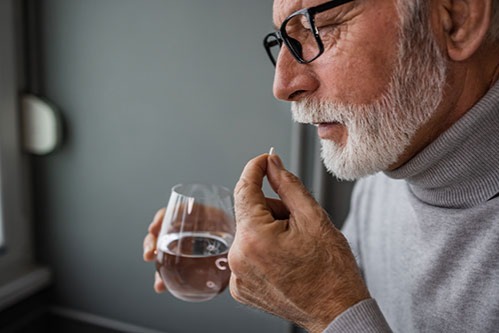
Pharmacy cabinet - Winter
We all have medicines at home. But do we have the most useful ones? And do we store them in the best conditions?
WHAT TO HAVE AT HOME?
In the winter pharmacy cabinet, you should find the solution to some of the most common problems of this season:
Don't forget to include your usual medicines in the cupboard, as well as some health products for the unexpected: saline solution, 70° alcohol and hydrogen peroxide; disinfectant solution; absorbent cotton, sterile compresses, bandages, adhesives and band-aids; thermometer; gloves, scissors and tweezers.
CLOSET ORGANIZATION
CABINET LOCATION
Choose a cool, dry place (bedroom, living room, hallway): heat and humidity alter the characteristics of medicines
The kitchen and bathroom are the least suitable places to store medicines: but if there is no alternative, they should be kept as far away as possible from sources of heat or humidity
The pharmacy cabinet should be made of wood or metal and without glass so that no light gets in
Keep it locked to prevent children from accessing its contents and risking poisoning.
EXTRA CARE
Don't just buy medicines out of habit, always check with your healthcare professional that they are necessary and which medicine is best for you. If you have medicines at home that you no longer use or that are expired, hand them in at the pharmacy (Valormed service) Don't give your medicines to other people, or vice versa Don't throw medicines in the garbage can or down the toilet - hand them in at the pharmacy.
copyright © by the National Association of Pharmacies
revision: October 2022 Infosaúde
________
WITH SHEE'S HELP
Find a multidisciplinary team of health professionals, always with friendly advice, to provide you with safe, close and personalized care.
Register now 👉 here.
Make an appointment with your pharmacist 👉 here.
Discover all the products at the best prices all year round in the online store 🛒.
Life is easier when you're healthy.

 falecomigo@shee.pt
 +351 21 150 54 76
 create account